


Founded in 1975 by Shankar Viswanath Chalke, Oriental Weaving & Processing Mills Pvt. Ltd. manufactures technical textiles and specialised fabrics in Turbhe MIDC, Navi Mumbai.
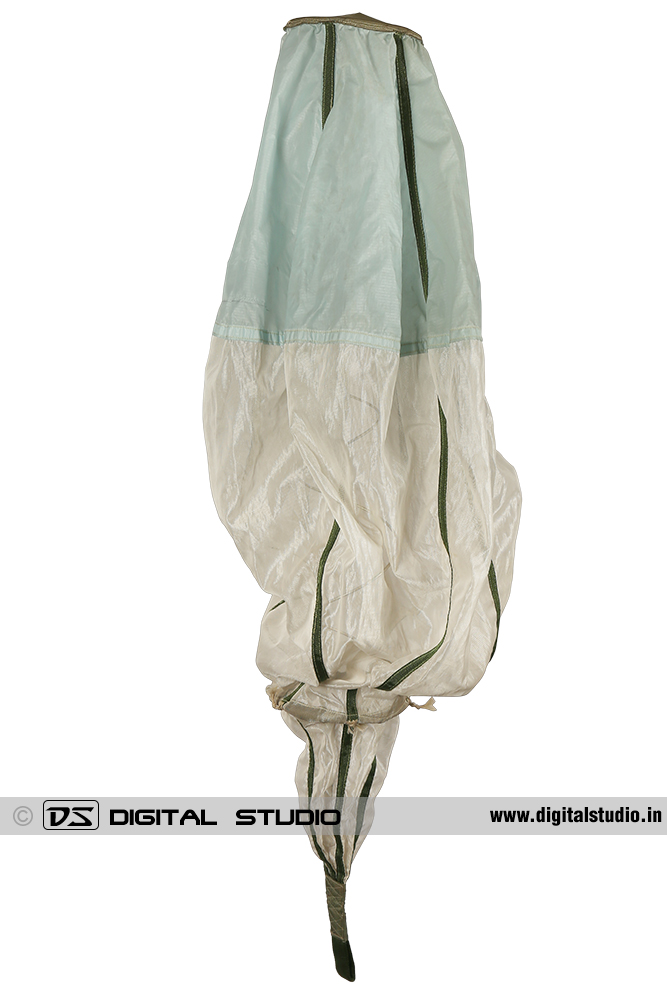
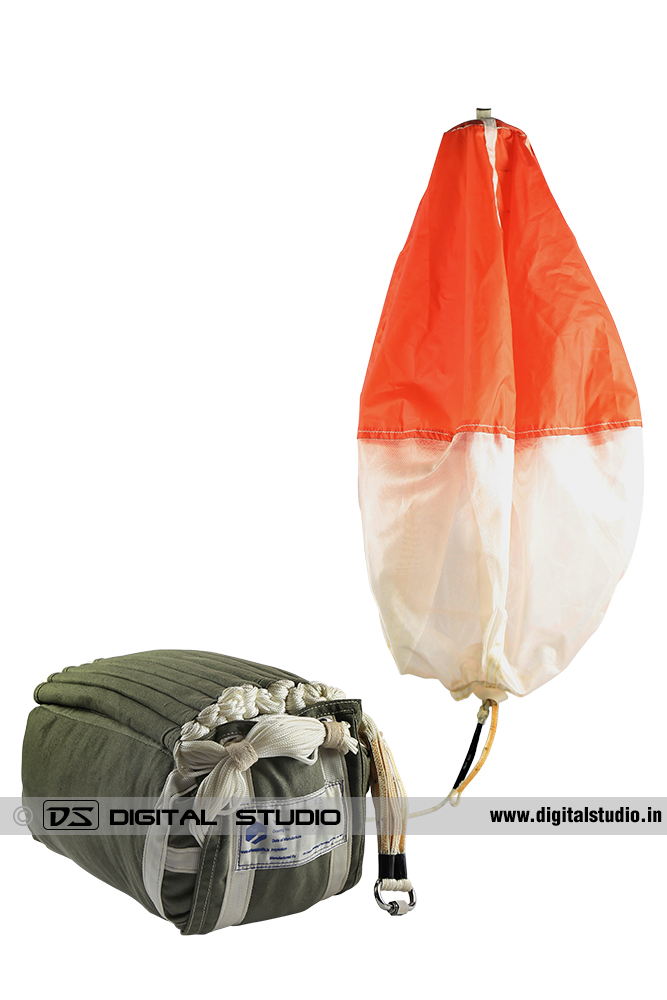
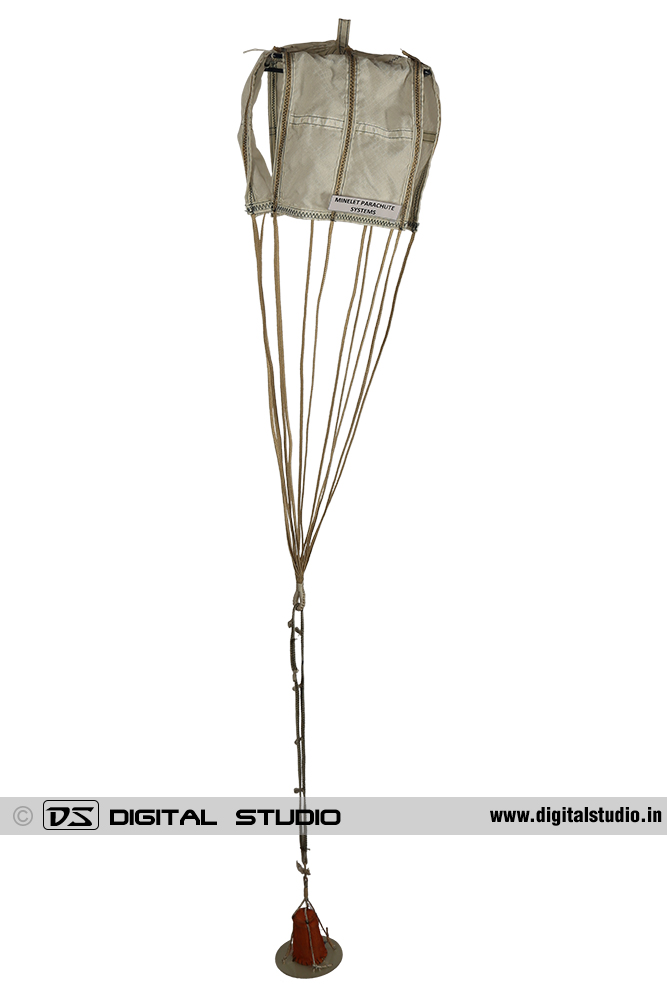
The company's products include parachutes, tents and other textile equipment for defence applications. Its fabric division produces aeronautical, technical and commercial fabrics.
The client required photographs of its manufacturing unit and products within a single day. We scheduled the factory photography↗ for the morning and the industrial product photography↗ for the afternoon.
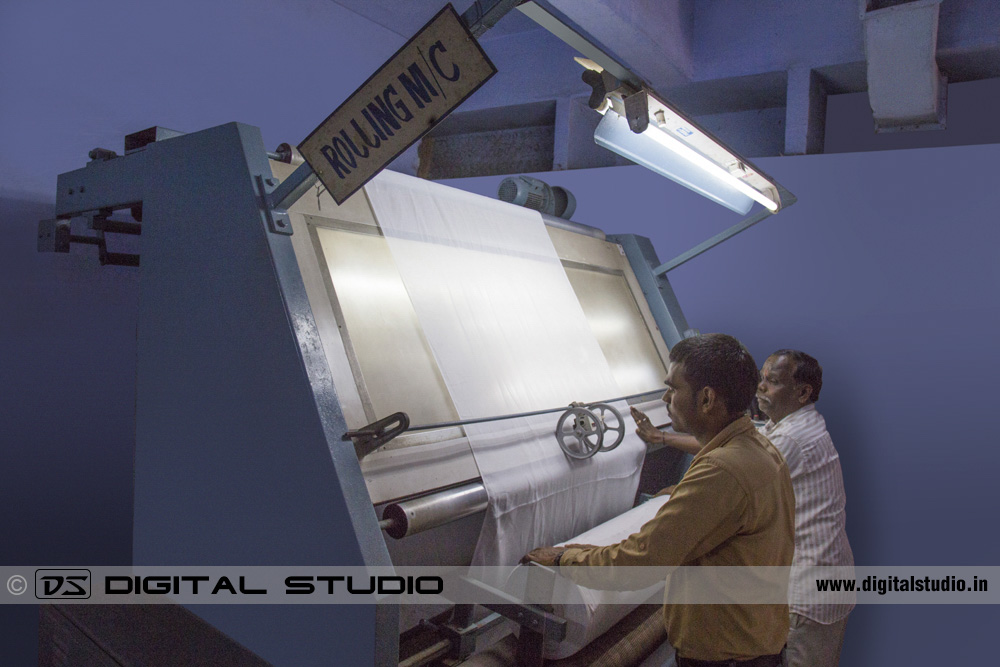
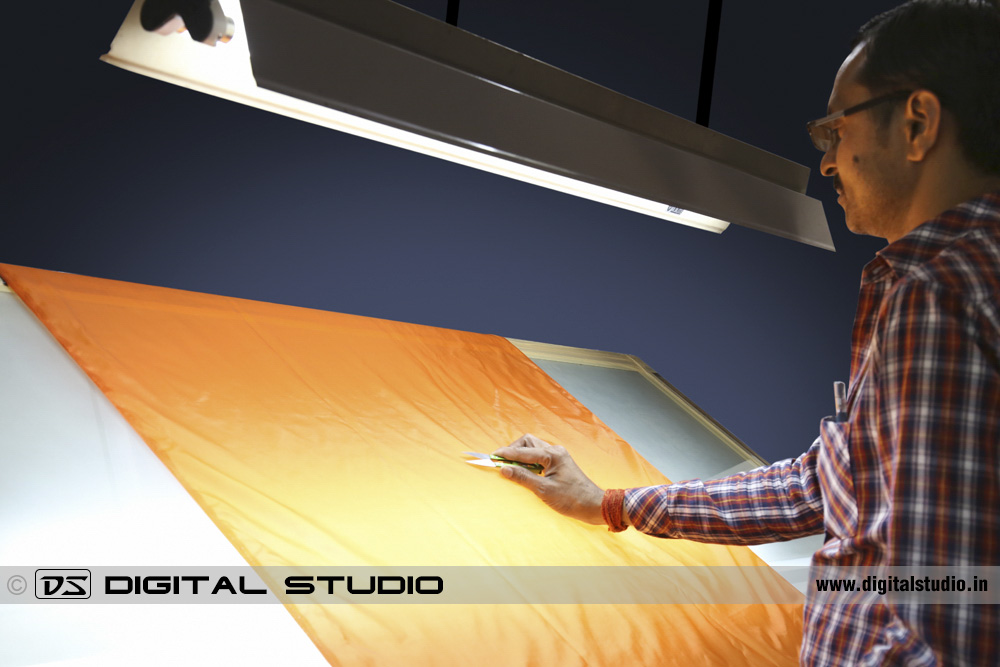
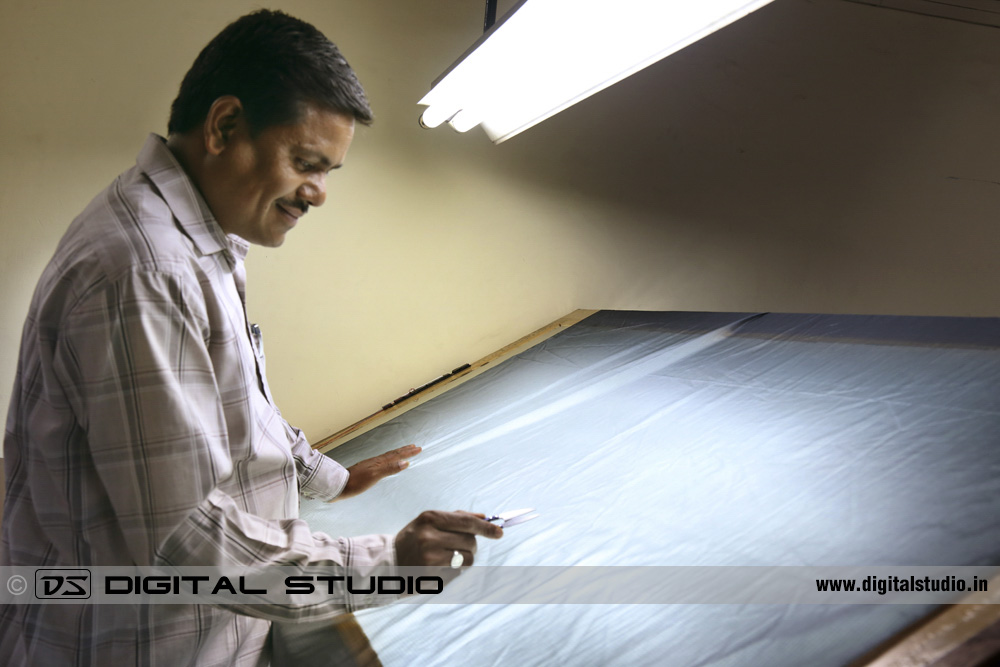
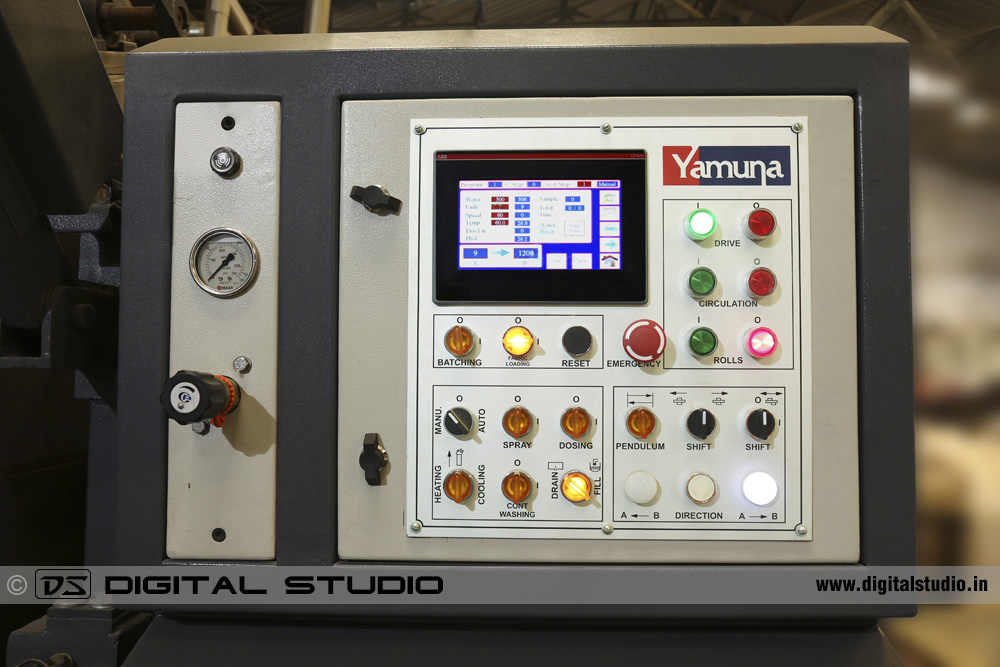
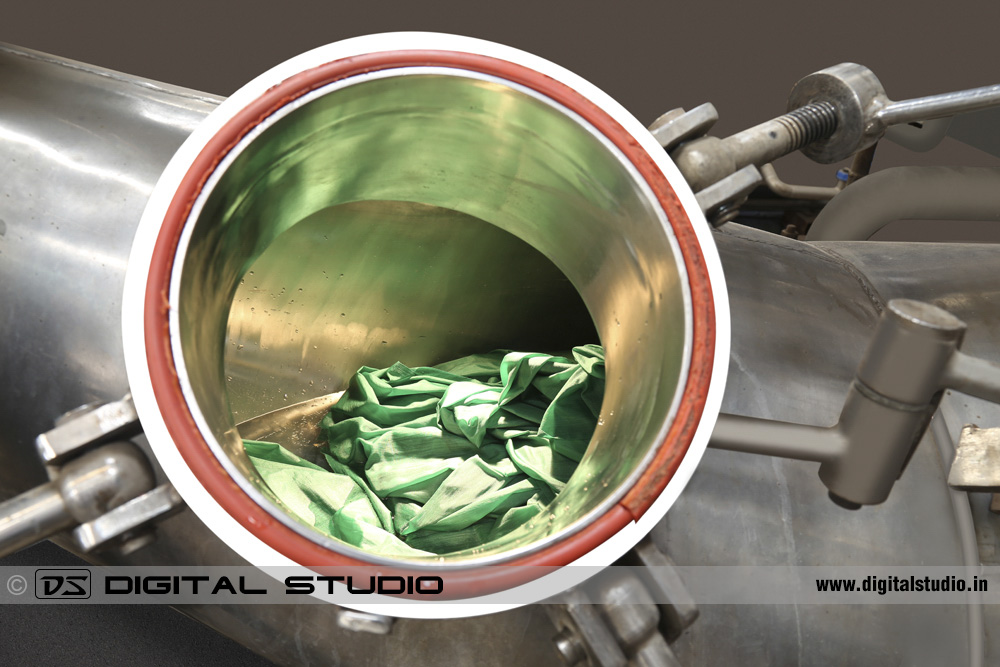
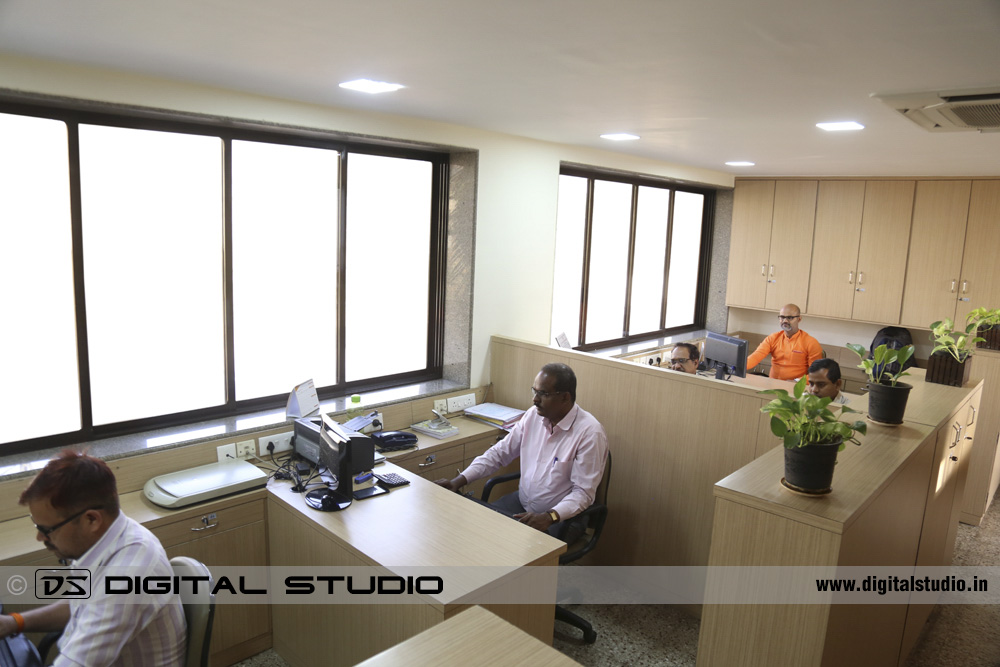
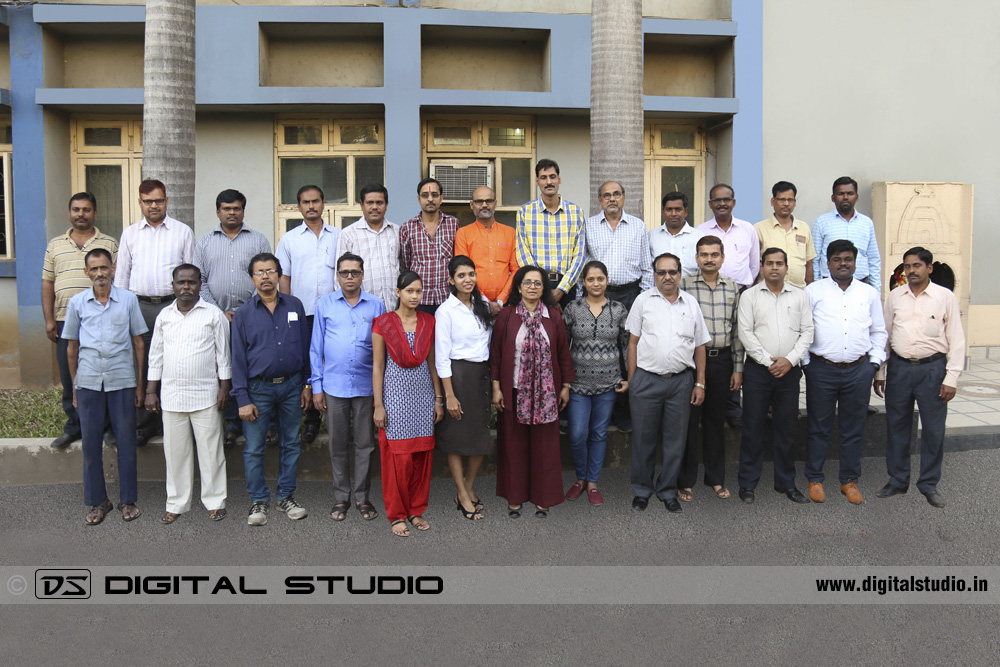
The factory shoot covered machinery, technicians at work and fabric inspection activities. For stationary equipment in dimly lit areas, we used a tripod and longer exposures. When photographing technicians working, we increased the ISO to maintain a shutter speed that avoided motion blur.
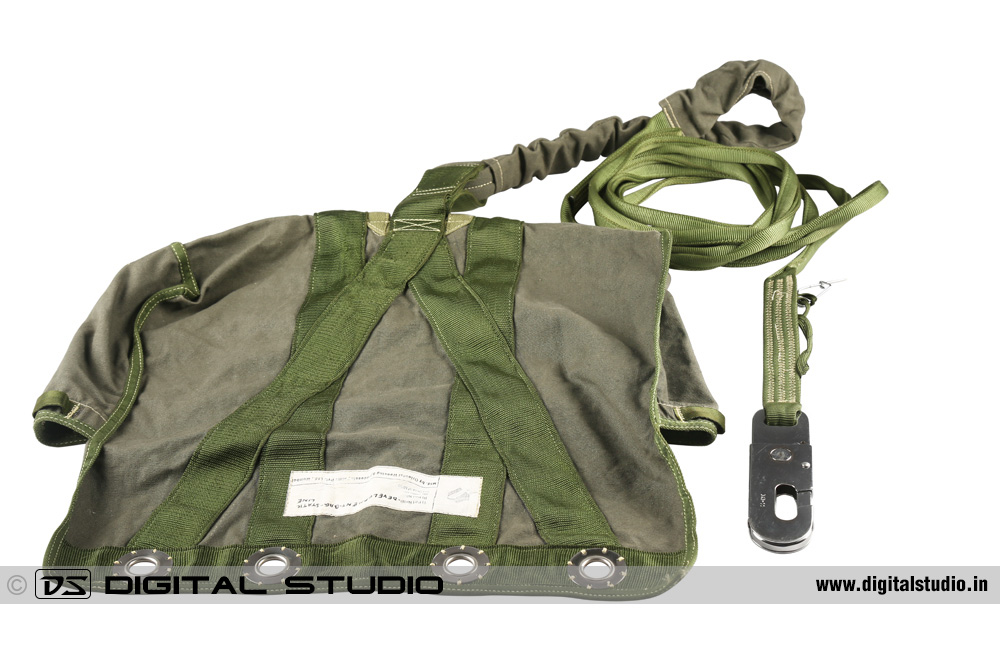
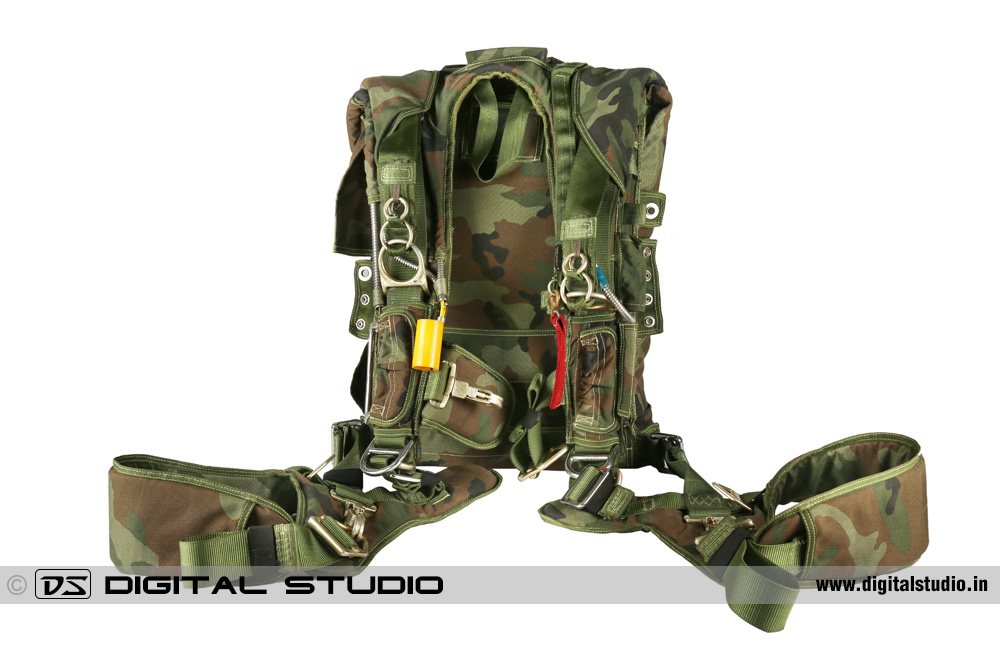
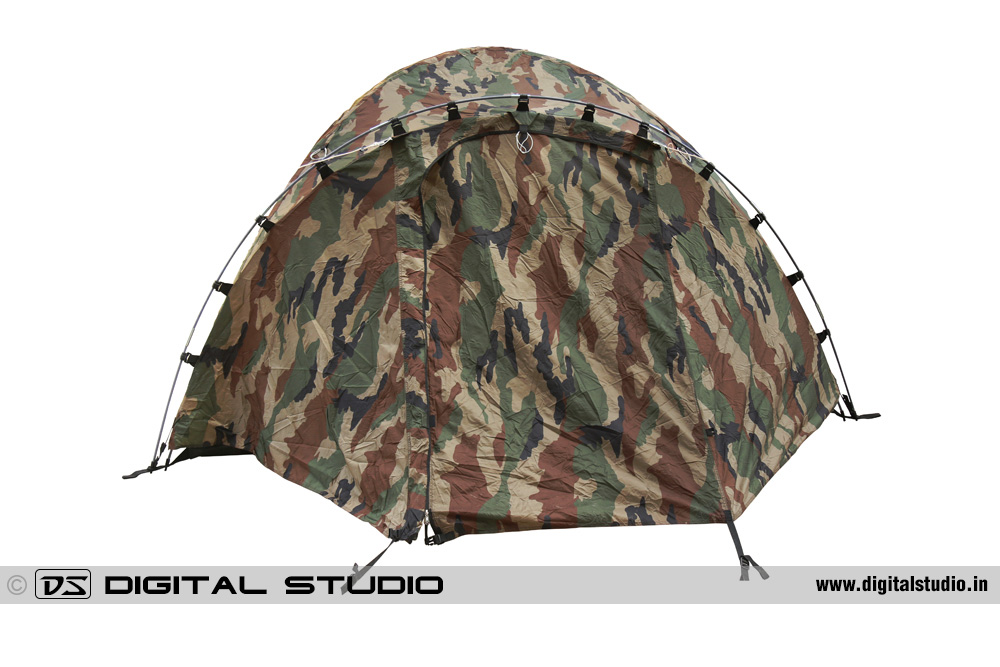
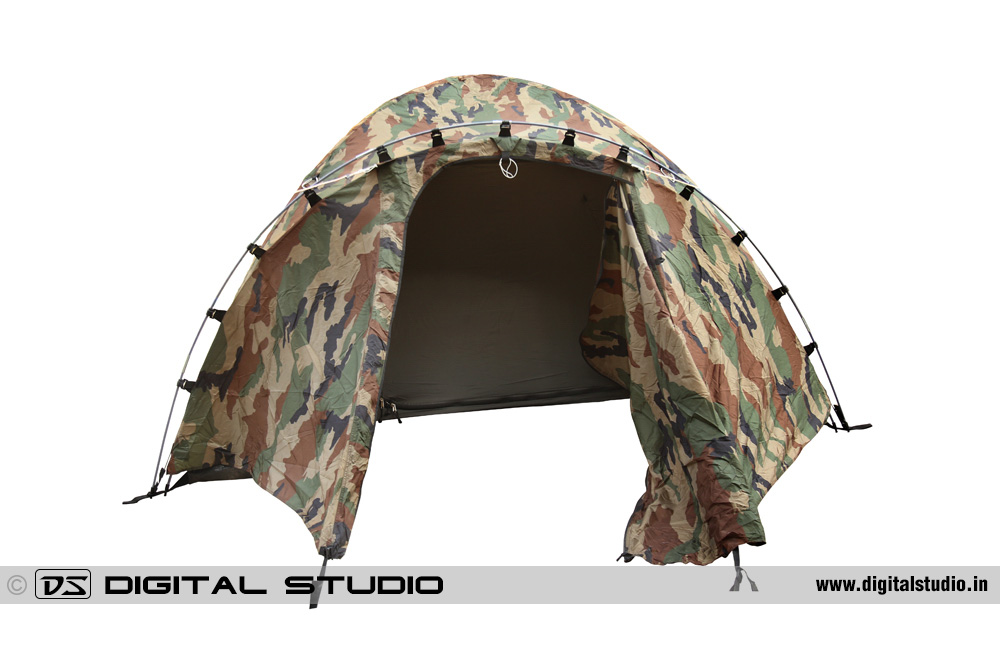
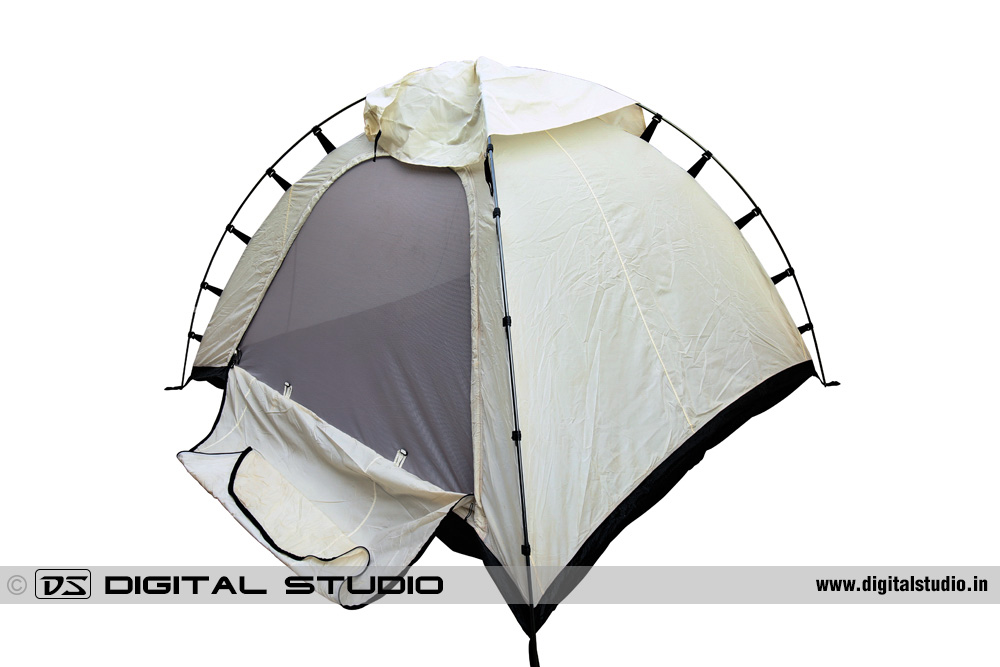
We set up a backdrop and two diffused strobe lights for the indoor product photographs. A large army tent, approximately 8–10 feet wide, was photographed outdoors in a shaded area of the company's lawn.
For other examples of factory coverage, view our BEC Chemicals plant photography project↗ and Deepak Fertilisers industrial photography project↗.

Share your factory location, the areas to be photographed and the number and dimensions of your products. Let us know the space available for a photography setup, your preferred shoot date, site safety requirements and how you plan to use the photographs, so we can discuss the scope and prepare a quotation.
We completed the Oriental Weaving assignment in one day. The first half covered the factory, and the afternoon was reserved for photographing the products on-site.
Some factory areas had limited light. When technicians were working, I increased the ISO to maintain a shutter speed that avoided motion blur. For stationary machines with no moving parts, I mounted the camera on a tripod and used longer exposures.
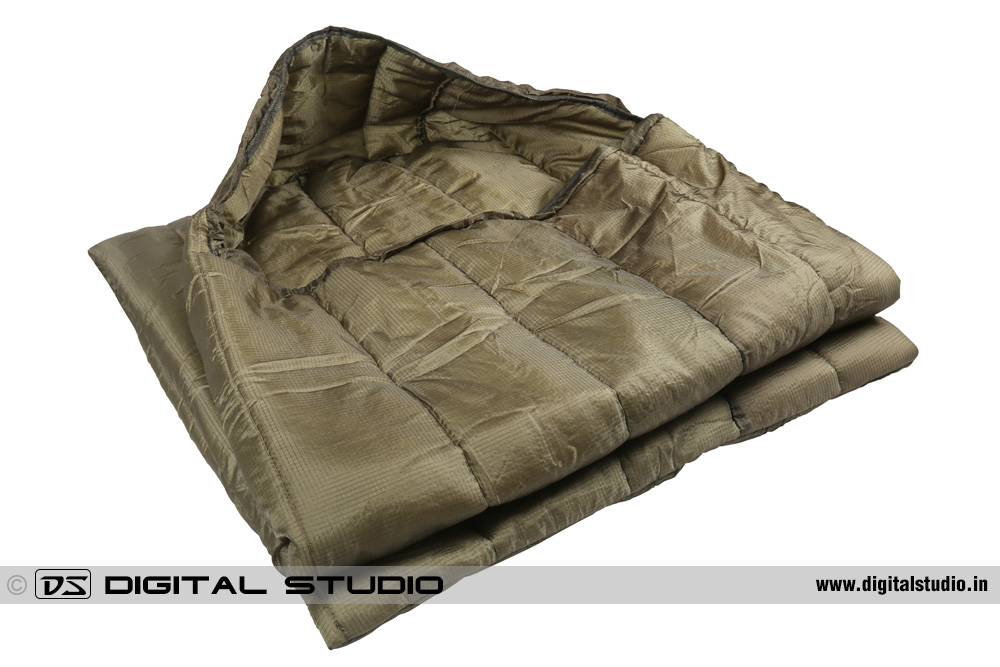
For the indoor products, we set up a backdrop and two strobe lights with diffusing umbrellas. The lights were positioned at approximately 45 degrees to the product. The camera was mounted on a tripod, and we used a remote trigger.
One army tent measured approximately 8–10 feet across and required more space. We photographed it on the company's lawn, positioning it in shade to avoid harsh shadows. There was enough afternoon light for handheld shots, and I adjusted the white balance for the shaded setting.
I personally reviewed the photographs returned by the editor, checking shadows, unwanted reflections and distracting wrinkles in the tent fabric that needed retouching.
Share your factory location, the areas to be photographed and the number and dimensions of your products. Let us know the space available for a photography setup, your preferred shoot date, site safety requirements and how you plan to use the photographs, so we can discuss the scope and prepare a quotation.
Case Study Last Updated: 30th October; 2026