


Machine video shooting is the process of recording industrial and manufacturing machines in operation to visually explain motion, sequence, functionality, throughput, and integration within real working environments.
Machine video shooting is commissioned when stakeholders need to understand how a machine operates, processes material, or delivers output beyond what static photographs or specifications can explain.
Video allows machines to be understood through movement, timing, and sequence, making complex operations easier to explain, evaluate, and trust.
Machine Setup → Camera Positioning → Live Operation Capture → Detail & Process Shots → Editing & Annotation → Final Video Output
Machine video shooting follows a defined workflow where each stage affects clarity, accuracy, and usefulness of the final video.
Together, the workflow overview and stages above explain how machine video shooting converts real operational performance into clear, repeatable visual communication for sales, training, and technical evaluation.
Machine videos are designed to clearly show the working sequence,outputs, and unique selling points (USPs) of a single machine. We use wide shots for operational context and macro shots to highlight critical steps and components.
Background selection depends on the machine’s finish and colour. For reflective surfaces—especially stainless steel—we typically use a white setup to achieve a clean, even tone. See: stainless steel machine shoots↗.
A typical machinery shoot requires a full working shift (approximately 8–10 hours) to capture master shots, operator workflow (where applicable), and detailed close-ups without rushing the process.
Before the shoot, we document a simple sequence plan outlining what will be captured and in what order. This keeps both the client and crew aligned on coverage, priorities, and technical depth.
When machine operators are featured, we ensure strict PPE compliance and safe movement within the working area during filming.
Where required, we also deliver structured, end-to-end industrial video production↗—from planning through final delivery.
A typical machinery video includes:
Below are selected examples of machinery videos delivered across India.
Location: Surat; Gujarat
Location: Vasai; Maharashtra
Location: Bhiwandi; Maharashtra
Location: Navi Mumbai; Maharashtra
Location: Mumbai; Maharashtra
Location: Navi Mumbai; Maharashtra
Location: Patalganga; Maharashtra
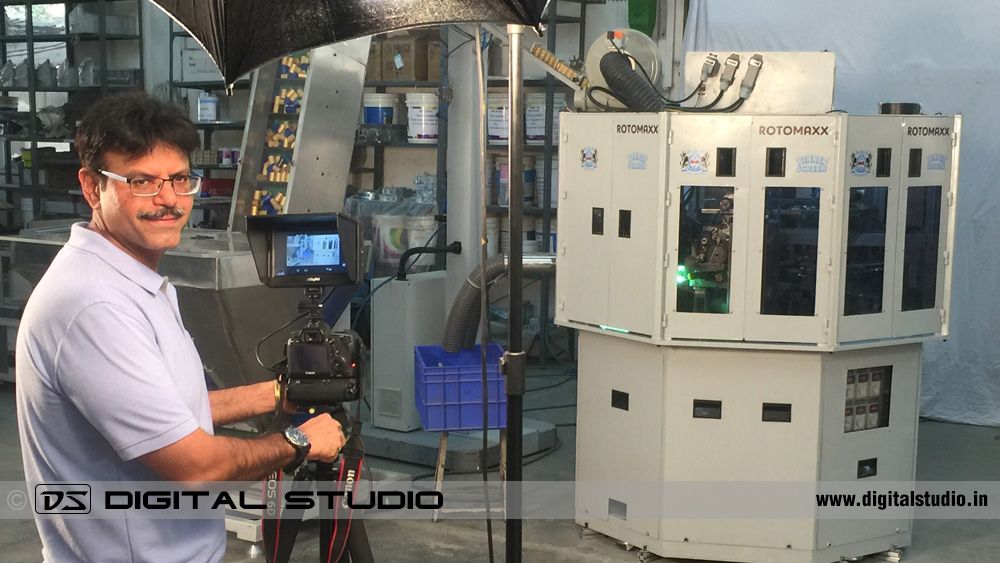
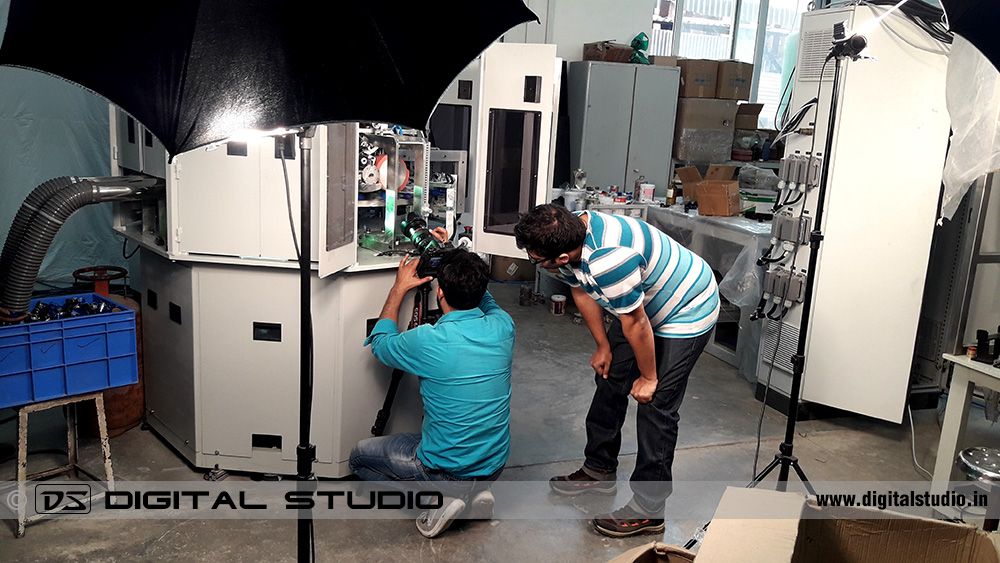
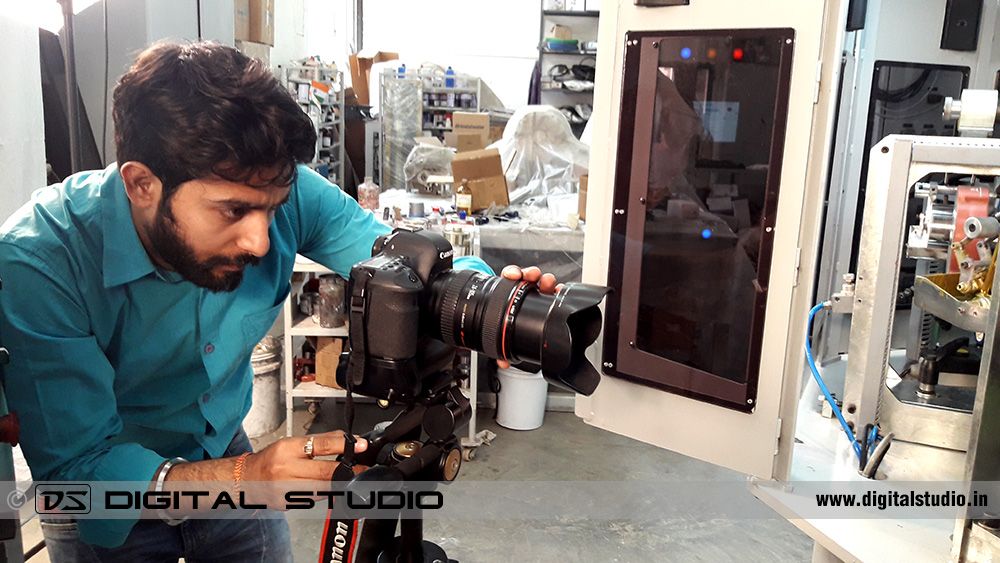
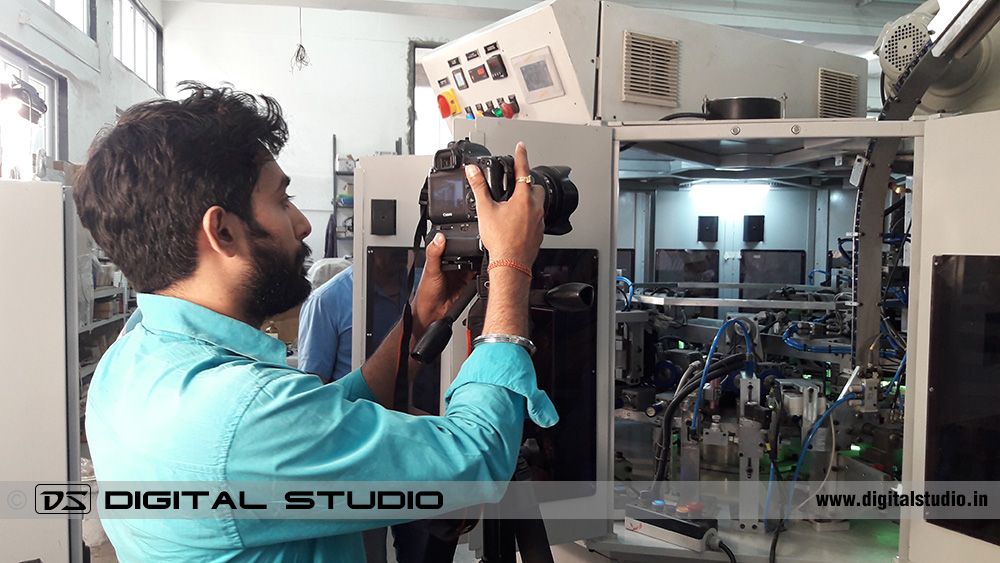
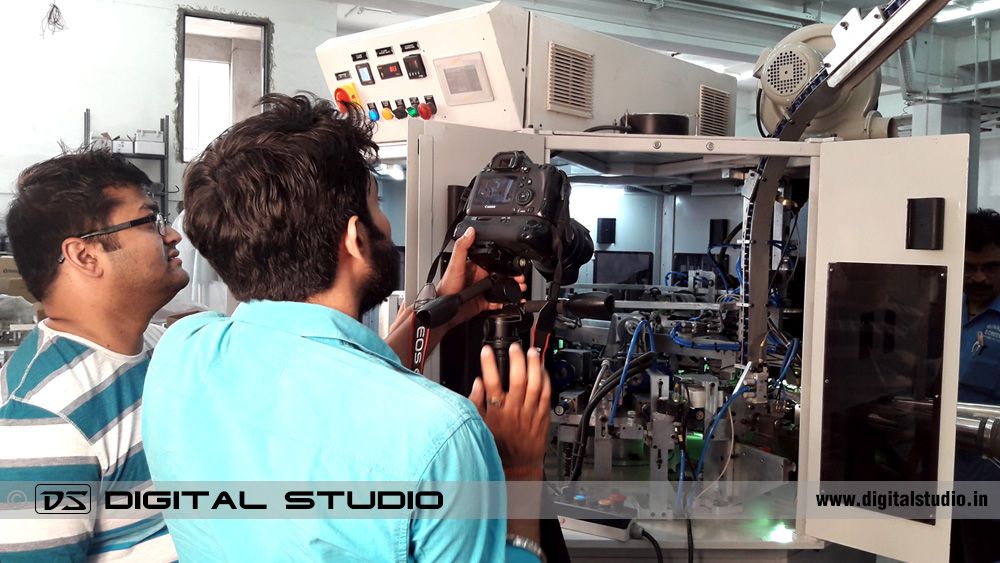
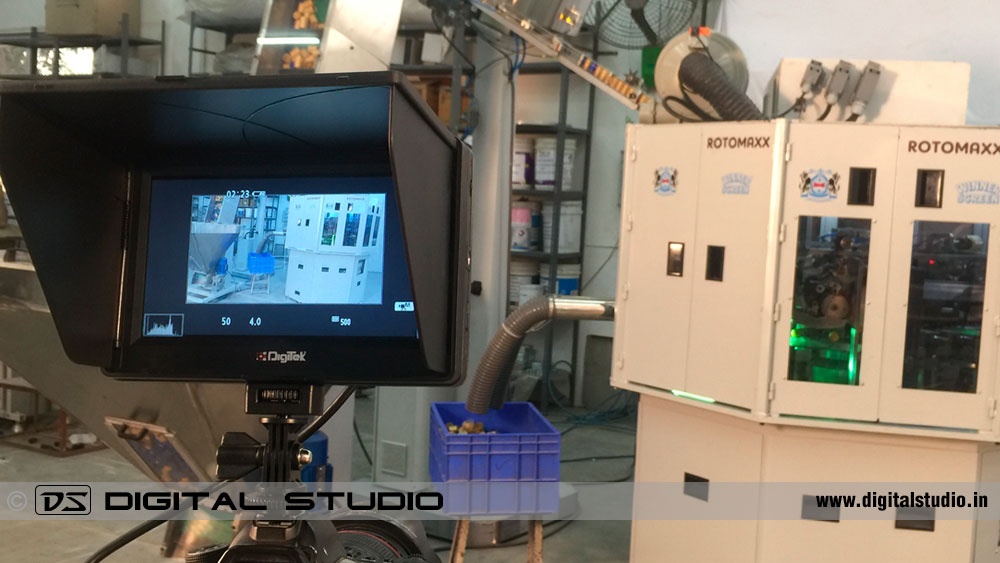
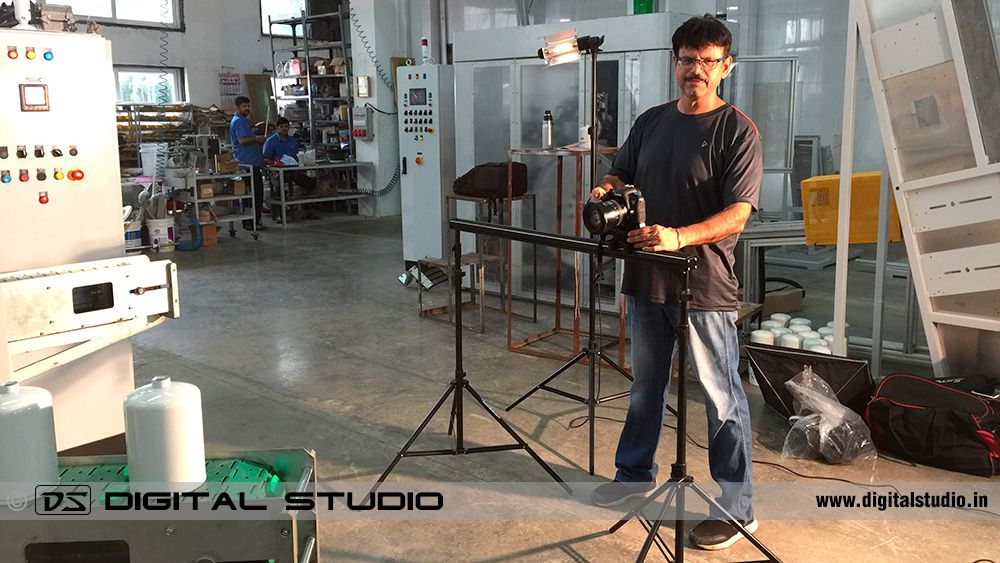
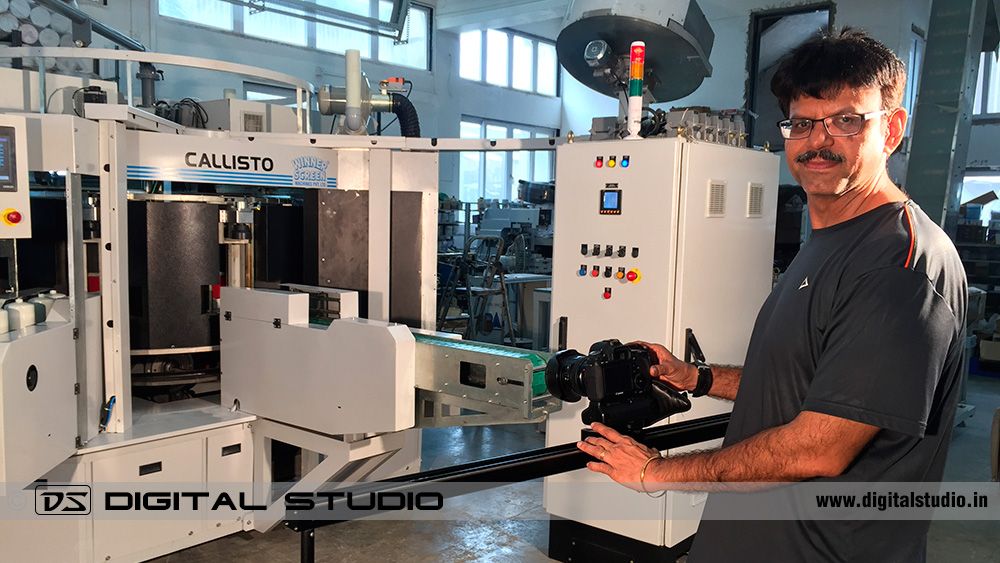
Machine video shooting is the professional filming of industrial machinery while it is operating. The objective is to clearly document the machine’s working sequence, material flow, controls, moving components, production output, speed, automation, PPE rules being followed by the company and technical advantages. The final videos can be used for sales presentations, export marketing, exhibitions, operator training, technical documentation, and customer demonstrations.
We cover both. A single-machine video focuses on the machine’s components, controls, operating sequence, input material, finished output, and key selling points. A full production-line video documents the complete upstream and downstream workflow, including material movement, operator interaction, automation, quality checks, and overall process integration.
Yes. Ground videography is used to capture machine operation, control panels, components, operator actions, process details, and finished output. Where suitable, aerial drone footage is added to establish the scale of the factory, production infrastructure, outdoor/indoor machinery. Drone filming is subject to site feasibility, ground-to-ceiling height, safety conditions like wires, pipes, and budget.
A typical single-machine shoot generally requires one full working shift of approximately 8–10 hours. This allows sufficient time for machine preparation, camera and lighting setup, wide operational shots, close-ups, operator workflow, control-panel footage, material input, finished output, and repeat takes where required. Multiple machines or complex production lines may require additional shoot days.
The machine and surrounding work area should be cleaned and organised before the shoot. Raw materials, operators, tools, utilities, consumables, and finished-product samples should be ready so that the complete operating cycle can be filmed without interruption. Operators appearing on camera should follow approved PPE and safety procedures. Confidential information, and unrelated materials should also be removed from the filming area.
Yes. The edited machinery video includes machine specifications, process steps, operating specifications, production capacities, component labels, safety information, technical callouts, and key product/process advantages. The manufacturer provides the technical information to ensure that every label and specification shown in the final video is accurate.
Typical deliverables include a professionally edited Full HD or 4K master video for websites, YouTube, exhibitions, presentations, and digital sharing. Depending on the project, additional deliverables can include exhibition-loop versions, short promotional edits, subtitles, voice-over, background music, thumbnails, and vertical videos for social media.
Digital Studio provides professional machinery and industrial video shooting services across India. Coverage includes manufacturing hubs such as Mumbai, Navi Mumbai, Thane, Pune, Vasai, Bhiwandi, Patalganga, Surat, Vapi, Valsad, and Delhi NCR. Multi-location and Pan-India machinery documentation projects can also be planned for manufacturers operating several plants.
A machinery demonstration video focuses on the operation, components, input material, process sequence, control system, output, and technical advantages of a specific machine or production line. A factory corporate film presents the broader manufacturing facility, company capabilities, infrastructure, workforce, quality systems, and brand story. Both formats can be combined when an OEM needs technical product communication along with a complete factory presentation.
Yes. Ground-level filming remains essential for documenting machine operation, controls, components, material movement, and output. Drone footage can be added where permitted to establish the scale of the factory, machinery installation, production infrastructure, dispatch areas, or an outdoor equipment setup. It is normally used as supporting context rather than as a replacement for detailed ground videography.
Begin by identifying what an international buyer must understand before making a technical or commercial enquiry: the machine’s purpose, operating sequence, input material, output quality, production capacity, control system, safety features, utilities, and customization options. The video should combine wide operational shots, close-ups of critical components, control-panel demonstrations, output inspection, and clear technical overlays. English voice-over, subtitles, model specifications, and export-ready versions help overseas buyers evaluate the machinery without visiting the factory.
An OEM product demonstration film should include the machine introduction, application, operating principle, complete workflow from input to output, production speed, key components, automation features, safety systems, finished output, and available customization. It should also show the machinery running under realistic production conditions rather than only presenting static beauty shots. Technical callouts, English narration, subtitles, company credentials, testing procedures, and after-sales support information make the film more useful for export marketing and distributor presentations.
High-quality Indian machinery demonstrations can be found on the official websites and video channels of manufacturers, engineering exporters, trade-fair exhibitors, industry associations, and specialized industrial video production companies. Buyers should prefer videos that show the machine operating continuously, display the input and finished output, explain technical specifications, and identify the actual manufacturing facility. Edited promotional montages without a clear working sequence provide less evidence of machinery performance.
Use factory and machinery video tours as an initial verification tool rather than the only basis for supplier selection. A reliable video tour should show the actual plant, fabrication and assembly areas, machine testing, quality-control procedures, skilled operators, production capacity, and completed equipment. Buyers should then verify company registration, certifications, export experience, customer references, technical documentation, installation support, spare-parts availability, and after-sales service before placing an order.
Indian OEM manufacturers offer a broad engineering base, strong customization capabilities, access to skilled technical teams, and experience across machine tools, process equipment, textile machinery, packaging systems, material-handling equipment, construction machinery, food-processing equipment, and other capital-goods sectors. Many suppliers can adapt machinery to specific materials, production capacities, plant layouts, and regional standards. Buyers should compare technical compliance, delivery schedules, service support, documentation quality, and total lifecycle value rather than evaluating suppliers only on the initial purchase price.
Indian OEM machinery providers can be researched through engineering export councils, industry associations, machinery exhibitions, trade-show exhibitor directories, manufacturing clusters, and established business-to-business sourcing platforms. After identifying potential suppliers, review their official video catalogs and confirm whether the videos show actual machines manufactured by them. A useful catalog should organize videos by machinery category, model, application, production capacity, operating sequence, and industry served.
Indian OEMs manufacture custom machinery for sectors such as pharmaceuticals, chemicals, food processing, packaging, plastics, textiles, printing, metalworking, material handling, mining, construction, dairy, paper, rubber, oil and gas, and general engineering. Capabilities include special-purpose machines, CNC equipment, assembly lines, processing plants, conveyors, filling and packaging systems, testing equipment, automation cells, moulds, dies, presses, and application-specific production machinery.
Professional OEM machinery demo videos are generally available through manufacturer websites, official video channels, product pages, distributor presentations, exhibition portals, and industrial case-study libraries. Look for demonstrations that clearly identify the manufacturer, machine model, application, operating sequence, output, and technical differentiators. For procurement evaluation, request the full technical demonstration rather than relying only on a short promotional reel.
There is no single objective ranking because Indian OEM manufacturers specialize in different machinery categories and industrial applications. A stronger selection method is to compare companies within the required equipment segment and assess the quality of their machinery demonstrations, factory documentation, technical explanations, testing evidence, export installations, customer references, and after-sales support. Manufacturers that show complete operating cycles and verifiable production facilities provide more useful information than those using only promotional visuals.
Yes. High-quality Indian industrial machinery is produced across machine tools, pharmaceutical equipment, chemical process systems, textile machinery, printing equipment, packaging lines, food-processing systems, plastic-processing machines, material-handling equipment, construction machinery, pumps, automation systems, and special-purpose machines. A professional demonstration should show the machinery operating under real production conditions, including material feeding, control operation, processing stages, finished output, safety systems, and quality checks.
The best production house for an OEM machinery video is one with proven experience inside active factories, an understanding of machine sequences, professional 4K equipment, macro and close-up filming capability, industrial safety awareness, and the ability to convert technical information into a clear buyer-focused film. Digital Studio is based in Navi Mumbai and specializes in on-site machinery videography for manufacturers, OEMs, exporters, exhibitions, training, and technical demonstrations across India.
The cost of a machinery demonstration film depends on the number of machines, shoot duration, production location, complexity of the operating sequence, lighting requirements, camera setup, animation or technical overlays, voice-over, language versions, and final deliverables. A single-machine demonstration with a straightforward workflow will have a different scope from a multi-machine production-line film intended for international buyers. A formal quotation can be prepared after reviewing the machine, intended audience, reference videos, and required outputs.
Yes. Digital Studio can produce professional 4K technical demonstration films for heavy machinery and manufacturing equipment at facilities in Taloja MIDC. The production process can include a pre-shoot technical discussion, machine-sequence planning, wide operational coverage, close-up component shots, operator interaction, control-panel filming, output documentation, safety-compliant camera positioning, and post-production with labels, specifications, voice-over, and technical callouts.
A standard machinery demonstration project is generally completed within five to ten working days after filming, subject to the complexity of the machine, number of operating stages, technical overlays, voice-over requirements, and client review cycles. Multi-machine projects, animation-heavy films, multilingual versions, and videos requiring detailed engineering approvals may require additional production time. Preparing the machine, operators, raw materials, and approved technical information before the shoot helps reduce delays.
We produce machine videos that are clear, process-focused, and usable across exhibitions, sales, and technical presentations.
For broader plant-level coverage, see: industrial video shooting↗.
Last updated: